Start with context
A psychology client record is more than a collection of documents. It preserves the context needed to prepare for a session, record what happened, and track next steps. The exact structure should fit the professional workflow and requirements that apply to each practice.
Separate reference information from follow-up
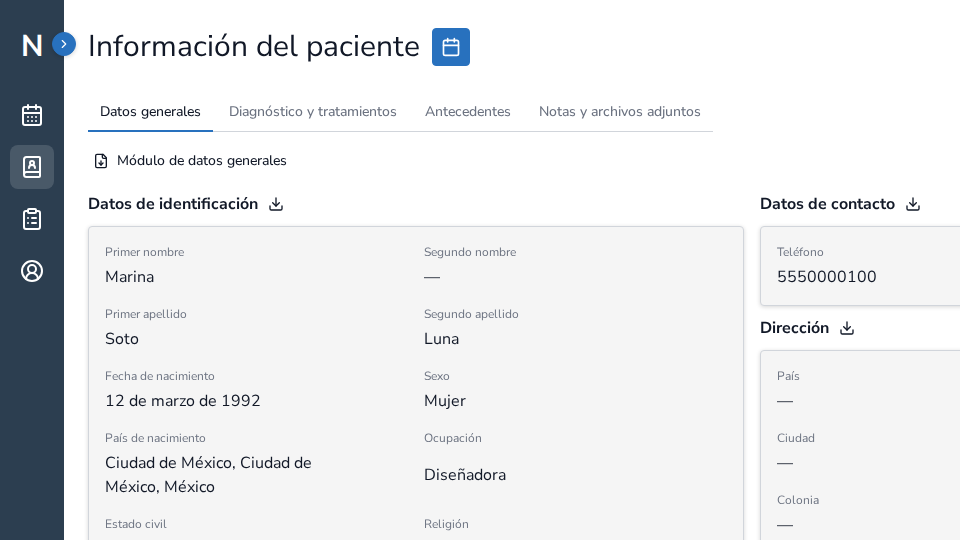
A practical structure can distinguish reference data, background, session notes, assessments, documents, and follow-up. This keeps a one-time note from being mixed with information that changes less often and makes the needed context easier to find.
Connect scheduling and records
When an appointment is connected to a client, preparation starts from the schedule. The goal is not to collect more fields, but to reduce the time spent finding the right case for each session. After the session, the note should remain connected to the record that gives it context.
Keep naming consistent
Use one date format, descriptive titles, and a small set of categories. A simple convention that is maintained is more useful than a detailed classification that is abandoned.
Review the workflow periodically and identify where time is lost. NeuraClinic connects scheduling, clients, records, notes, and assessments so the work can continue without rebuilding the case across tools.
Review the record at three moments
Before a session, identify the client and review only the context you need. Afterwards, record what matters with a recognizable date and title. At the end of the day, check that pending follow-up, files, and assessments remain related to the correct case.