Start with repeated moments
List the tasks repeated every week: scheduling, preparation, notes, assessments, follow-up, and reports. A tool is useful when it reduces friction without making you duplicate information.
Evaluate connections
Check whether an appointment opens the right client, whether a note stays in the record, and whether a report starts from organized information. Continuity matters more than a long feature list.
Review control and portability
Ask what is stored, what controls exist, how information can be exported, and what happens when you cancel. Do not accept security or compliance claims you cannot verify.
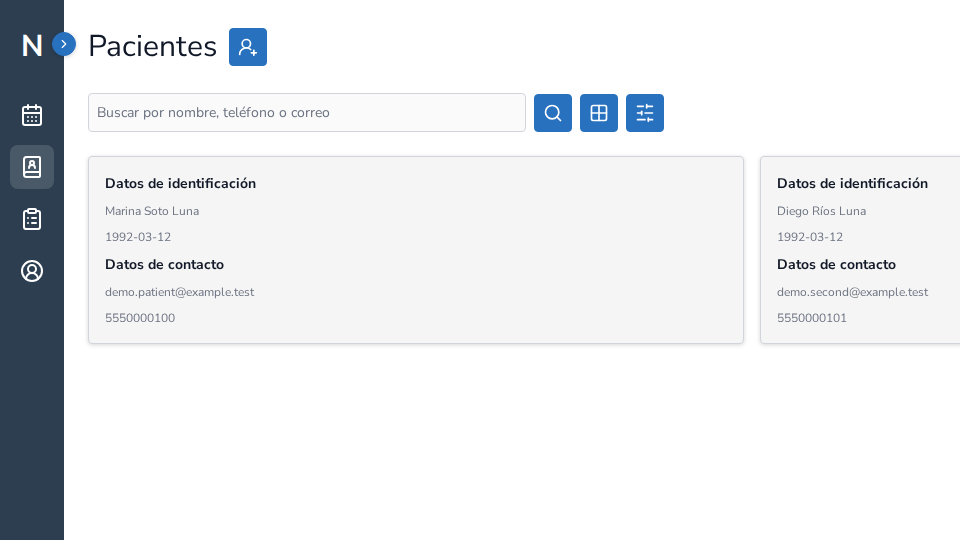
NeuraClinic brings together scheduling, clients, records, notes, assessments, and reports for independent psychologists who want one connected workflow.
Use the same fictional scenario
Compare tools with one repeatable scenario: find a client, open the record, review background, create a note, and check what can be exported. Record the manual steps and the information that remains disconnected.